
Training your dog can feel a bit overwhelming, especially if you're a new pet parent. You might be looking for ways to build a strong bond with your pup while teaching them important behaviors. That’s why I put together this list of essential dog obedience training commands. These commands not only help ensure your furry friend is well-behaved but also enhance safety and communication between you and your dog.
If you’re a dog owner who wants to create a happier, more harmonious home, this post is just for you. You care about your dog's well-being and want to empower them to be the best they can be. Whether you’re starting with a puppy or looking to refine the skills of an older dog, I've gathered five commands that every dog should know. Plus, I've included a surprise command at the end that will truly change your training game!
In this article, you’ll discover practical training tips to teach your pup these essential commands effectively. You’ll learn how to create a positive training experience and the benefits that come with it. Let’s jump into the commands that will make your life easier and your dog's behavior better!
Key Takeaways
- Start with "Sit": This command is the foundation of dog obedience and can help you manage your dog's behavior effectively in various situations.
- Teach "Stay": This command builds patience and self-control, allowing your dog to remain calm in distracting environments.
- Master "Come": This lifesaving command is essential for keeping your dog safe, especially in off-leash situations.
- Use "Down": Teaching this command encourages calmness and focus, making it easier for your dog to settle down when needed.
- Implement "Leave It": This command is crucial for your dog’s safety, helping prevent them from picking up harmful objects or engaging in unwanted behaviors.
1. Sit: The Foundation of Obedience

Teaching your dog to 'Sit' is a fundamental step in their training journey. This simple command not only fosters good behavior but also helps your dog develop crucial impulse control. To get started, hold a treat just above your pup's nose. As they look up, their natural instinct will encourage them to lower their rear, giving you the perfect moment to say 'Sit!'.
Once your dog understands the command, practice in various locations to reinforce learning. Consistency is vital—always use the same word and reward system, whether at home or in a bustling park. Mastering 'Sit' can enhance your dog’s focus and keep them calm in exciting situations, making it an essential tool for everyday life.
Key tips for effective training:
- Use a calm tone when giving the command.
- Be patient; some dogs may take longer to respond.
- Always offer praise and treats to reinforce good behavior.
- Gradually increase distractions as they improve.
- Practice regularly to keep the command fresh.
With practice, your dog will learn to sit on command, leading to better behavior and a more enjoyable relationship.
Sit: The Foundation of Obedience
Editor's Choice




2. Stay: Teaching Patience and Self-Control

The 'Stay' command is essential for keeping your dog in one place, enhancing their safety during walks or playtime. This command goes beyond obedience; it builds trust and confidence in your pup. Start by having your dog sit, then show them your open palm and firmly say 'Stay'. Step back, and if they remain still, reward them with a treat.
As your dog becomes more comfortable with the command, gradually increase the distance and duration of the stay. Maintain a positive atmosphere during training sessions; dogs thrive when they associate 'Stay' with rewards and praise.
Here are some helpful training tips:
- Begin with small distances, then gradually increase.
- Keep sessions short to maintain their focus.
- Use treats and verbal praise consistently.
- Practice in varied environments to test their skills.
- If they break the command, gently guide them back without punishment.
By mastering 'Stay', your dog will learn patience, making outings safer and more enjoyable for both of you.
Stay: Teaching Patience and Self-Control
Editor's Choice


3. Come: A Lifesaver Command

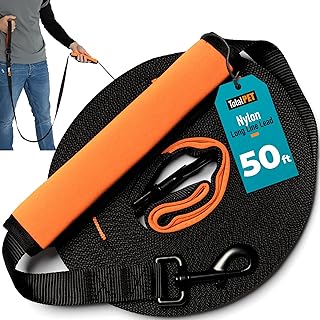
The 'Come' command is vital for your dog's safety, especially in open spaces. Teaching your pup to come when called can prevent accidents and ensure they return to you promptly. Begin with a long leash and use an enthusiastic tone to call your dog while backing away. When they reach you, shower them with treats and praise.
Make the training exciting; the more fun they associate with 'Come', the more likely they will respond positively. Start practicing in a controlled space before moving to more distracting environments like parks.
Follow these steps to get started:
- Always reward them immediately when they come.
- Use a cheerful tone to encourage them.
- Never use the command in a negative situation (like during bath time).
- Gradually increase the distance from which you call them.
- Consistently practice to strengthen reliability.
With the 'Come' command, you'll enjoy peace of mind knowing your dog will return to you safely every time.
Come: A Lifesaver Command
Editor's Choice


4. Down: Encouraging Calmness and Focus

'Down' is an excellent command to teach your dog to relax and settle. This command not only promotes tranquility but also discourages unwanted jumping and excitement. Start by positioning your dog in a sitting position, then hold a treat in front of their nose and slowly lower it to the ground. As they follow the treat, they will likely lay down to reach it. This is your cue to say 'Down' and reward them for compliance.
Regular practice reinforces calm behavior, making it easier for your dog to relax, especially in busy settings. Over time, 'Down' can enhance impulse control, creating a more enjoyable atmosphere for both of you.
Consider these helpful hints:
- Use a gentle tone and avoid frustration.
- Be patient; this command may take time to learn.
- Gradually increase distractions as they improve.
- Reinforce the command with treats and praise.
- Practice consistently to solidify their understanding.
By teaching 'Down', you'll help your dog feel more at ease in various environments.
Down: Encouraging Calmness and Focus
Editor's Choice


5. Leave It: A Critical Command for Safety

'Leave It' is a crucial command that safeguards your dog from potentially harmful objects or distractions. This training requires patience and consistency. Start with a treat in your hand, allowing your dog to sniff it. Once they show interest, close your hand and firmly say 'Leave it'. Wait for them to back off or lose interest, then reward them with a treat from your other hand.
Practicing this command in different settings helps your dog learn to recognize 'Leave it' anywhere, enhancing their safety during walks and outings. This command empowers you, helping your dog understand boundaries while keeping them safe.
Here are some effective training strategies:
- Be consistent in your training.
- Reward alternative behaviors, like sitting, to reinforce focus.
- Gradually introduce distractions as they improve.
- Keep training sessions short and engaging.
- Always maintain a calm and positive demeanor when training.
By mastering 'Leave It', your dog will learn to navigate their environment more safely and responsibly.
Leave It: A Critical Command for Safety
Editor's Choice


You Might Also Like


Conclusion: The Journey to a Well-Trained Pup

Teaching your furry friend these five essential commands lays a strong foundation for a happy and safe relationship. Each command plays a vital role not just in training, but in making everyday life more enjoyable for both you and your pup. Remember, consistency, patience, and plenty of positive reinforcement are key! And as for command number six? Stay tuned for more insights that might just surprise you!
Happy training!
Note: We aim to provide accurate product links, but some may occasionally expire or become unavailable. If this happens, please search directly on Amazon for the product or a suitable alternative.
This post contains Amazon affiliate links, meaning we may earn a small commission if you purchase through our links, at no extra cost to you.
